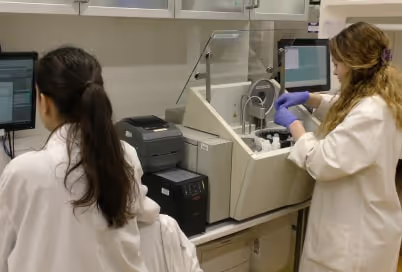
Richmond Pharmacology, a specialist early-phase clinical research organisation, has announced encouraging results from a first-in-human clinical trial evaluating CIDEBsiRNA, an investigational RNA interference (RNAi) therapy developed by Regeneron Pharmaceuticals, Inc..
The findings were published in the New England Journal of Medicine1 and presented at The Liver Meeting 2026, hosted by the American Association for the Study of Liver Diseases (AASLD) in Denver. They showed reductions in liver fat among adults with metabolic dysfunction-associated steatotic liver disease (MASLD).
MASLD and the need for treatment
MASLD is one of the most common chronic liver conditions worldwide, affecting approximately 33% of adults2. Some people develop metabolic dysfunction-associated steatohepatitis (MASH), a more severe form characterised by liver inflammation, fibrosis and an increased risk of cirrhosis and liver-related complications. Despite the growing prevalence of MASLD, effective treatment options remain limited.
Dr Jörg Täubel M.D., F.F.P.M., F.E.S.C., the trial’s Principal Investigator at Richmond Pharmacology, commented below. Dr Täubel is Co-Founder and Executive Chairman of Richmond Pharmacology, Visiting Professor at King’s College London, Honorary Senior Research Fellow at St. George’s University in London and President of the Association for Applied Human Pharmacology (AGAH), Germany.
“Despite recent advances in the treatment of steatotic liver disease, a substantial unmet need remains for therapies capable of delivering meaningful and durable improvements in liver health.”
“What makes these early findings particularly encouraging is the extent and speed of the response. Following a single dose of CIDEBsiRNA, a substantial proportion of participants achieved normal liver fat levels by Week 12, with further encouraging findings at Week 24.”
“These results demonstrate the potential of translating human genetic discoveries into targeted therapeutic approaches. Further investigation will be essential to understand whether these reductions in liver fat translate into improvements in liver histology and longer-term clinical outcomes.”
Study design and key findings
The randomised, double-blind, placebo-controlled study enrolled 40 participants with MASLD at two UK clinical research centres, including Richmond Pharmacology. Of these, 30 received a single subcutaneous dose of CIDEBsiRNA at doses ranging from 15 mg to 600 mg.
Results demonstrated:
- By Week 12, mean liver fat levels across all four CIDEBsiRNA dose groups had fallen to or below 5%, the upper limit of normal as measured by MRI-PDFF.
- At Week 12, 72% of treated participants with available measurements achieved normal liver fat levels, increasing to 79% at Week 24, compared with none in the placebo group.
- At Week 24, 97% of treated participants with available measurements achieved a reduction in liver fat exceeding 30%, a threshold previously associated with histological improvement in MASH.
- Mean serum alanine aminotransferase (ALT), a marker of liver injury, decreased by 32% at Week 12 across CIDEBsiRNA treatment groups, compared with a 5% increase in the placebo group.
The reductions in liver fat and ALT were sustained through Week 36 following a single dose. CIDEBsiRNA was generally well-tolerated, with adverse event rates similar between treatment and placebo groups.
Translating genetic discovery into clinical research
Regeneron Genetics Center® discovered CIDEB as a potential therapeutic target through large-scale human genetic analyses. Individuals carrying rare loss-of-function variants in the CIDEB gene were found to have lower liver fat levels and a reduced risk of MASLD/MASH.
CIDEBsiRNA uses RNA interference to reduce CIDEB protein production in the liver. Delivered by subcutaneous injection, the investigational therapy is designed to target liver cells without altering DNA.
Richmond Pharmacology's experience in RNA interference research
Richmond Pharmacology has supported clinical research involving RNA interference therapies since 2014, including first-in-participant dosing for two therapies that subsequently achieved regulatory approval.
Its involvement in the CIDEBsiRNA programme builds on more than a decade of experience in the early clinical evaluation of innovative therapies and reinforces its position at the forefront of first-in-human and translational medicine research.
Dr Täubel added:
“Richmond has worked at the forefront of RNA interference research for more than a decade. Our involvement in this study reflects the specialist expertise required to translate innovative therapeutic approaches into early clinical development.”
“We value the trust our sponsors place in our teams and the contribution of the participants who make this research possible.”
Next steps
These findings provide early clinical evidence of the biological activity of CIDEBsiRNA in adults with MASLD. Further studies are required to establish its effects on liver inflammation, fibrosis and longer-term clinical outcomes.
The CIDEBsiRNA clinical development programme is continuing in MASLD and MASH, including studies involving participants with biopsy-confirmed MASH.
References
1. Norton TD, Taubel J, Imperato GH, et al. A liver-targeted CIDEB siRNA in adults with MASLD. N Engl J Med. Published online November 8, 2026. doi:10.1056/NEJMc2612905
2. Kim HY, Rinella ME. Emerging therapies and real-world application of metabolic dysfunction-associated steatotic liver disease treatment. Clin Mol Hepatol. 2025;31(3):753–770. doi:10.3350/cmh.2025.0083.
For coverage, please see here: Richmond Pharmacology highlights encouraging first-in-human results for Regeneron's investigational RNAi therapy in MASLD
For Regeneron's press release, please see here: CIDEBsiRNA Normalizes Liver Fat and Improves Liver Injury Markers in MASLD Patients, as Highlighted at AASLD | Regeneron Pharmaceuticals Inc.