.svg)


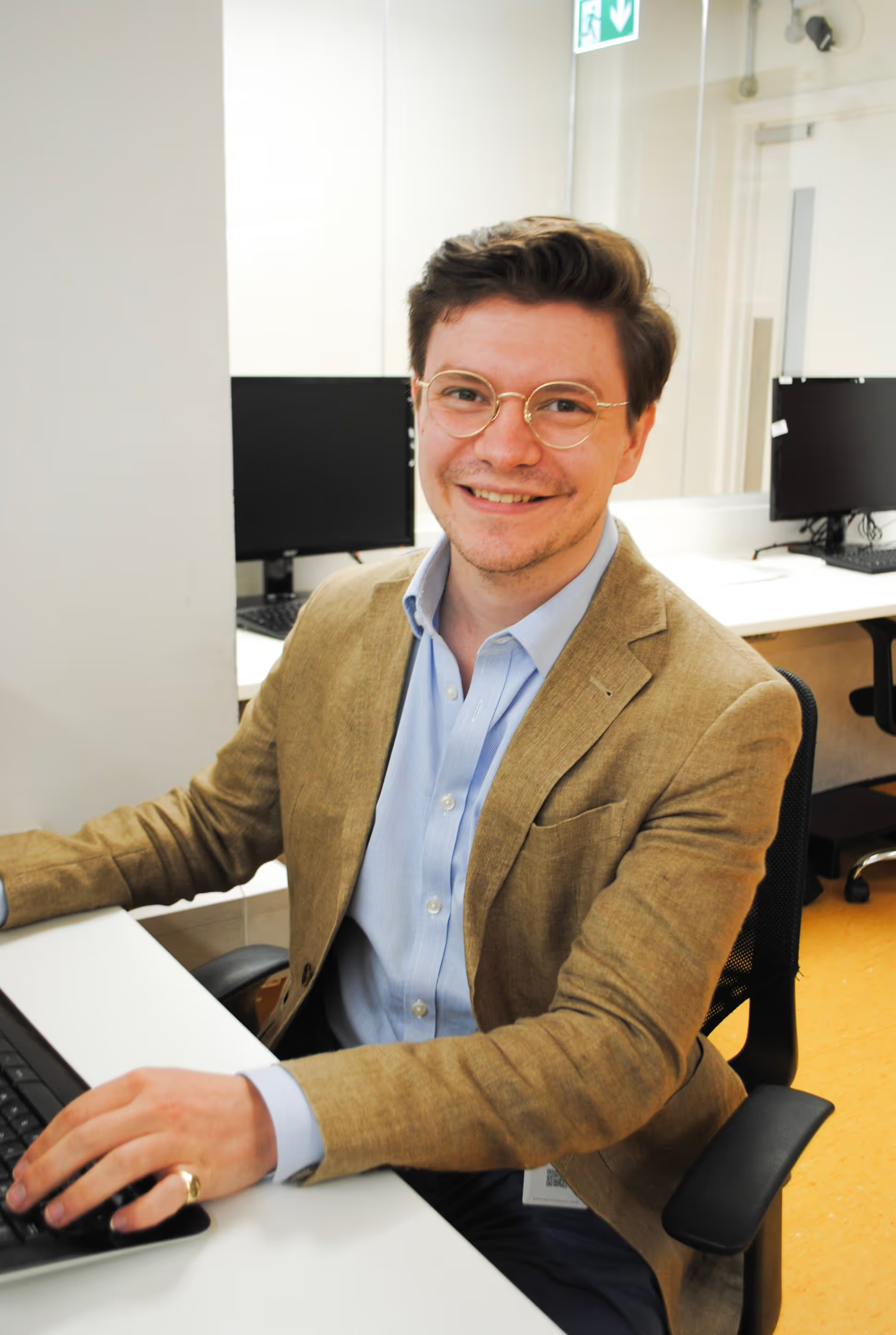
Dr Tom York, Richmond Pharmacology’s Associate Medical Director, recently wrote for Pharmaceutical Market Europe where he outlined how telemonitoring can support the patient to manage chronic diseases through a flexible treatment environment, as well as increase productivity in the pharmaceutical industry.
Richmond Pharmacology always searches for the most innovative processes to improve clinical trials and the patients’ experiences and treatments. Clinicians can review data provided by patients in real time, allowing them to quickly intervene to adjust therapy. For example, remote monitoring can help speed diagnosis and improve treatment outcomes in trials for ATTR cardiac amyloidosis (ATTR-CM). Furthermore, telemonitoring has many benefits, including savings to clinical trial management and providing the path for the development of new models of clinical trials, such as decentralised clinical trials.
CROs, such as Richmond Pharmacology, are transforming the way trials are delivered and data is analysed. Telemonitoring can be utilised in advancing models of clinical trials, all while saving substantial time and resources for sponsors, facilitating faster progress to phase III studies, and ensuring, over time, that approved medicines are reaching the patients who need them. However, Telemonitoring does not just represent a change in process, it requires different skills, new ways of working, and training programmes that keep pharmaceutical doctors aligned with the latest practices and trends.
To read the full article, click here.
.avif)